AI That Earns
AI That Earns
Four editors, one question: who gets credit for AI's revenue gains, and who pays for them?

EVIDENCE · BENCHMARKS · OUTCOMES
Each release tackles one real problem with cited evidence and free tools you can use this week.
Each theme is one question, answered by five editors, with tools you can run.
AI That Earns
Four editors, one question: who gets credit for AI's revenue gains, and who pays for them?
What AI tells customers about you
Four editors, one question: when an assistant answers for your business, are the hours, prices and accepted plans it quotes still true, and who pays when they aren't?
When your customer is an agent
Five editors, one question: when an agent, not a person, is the one who buys, can it read your catalogue, price the room, and stay inside the bank's rules?
Fewer people, more agents
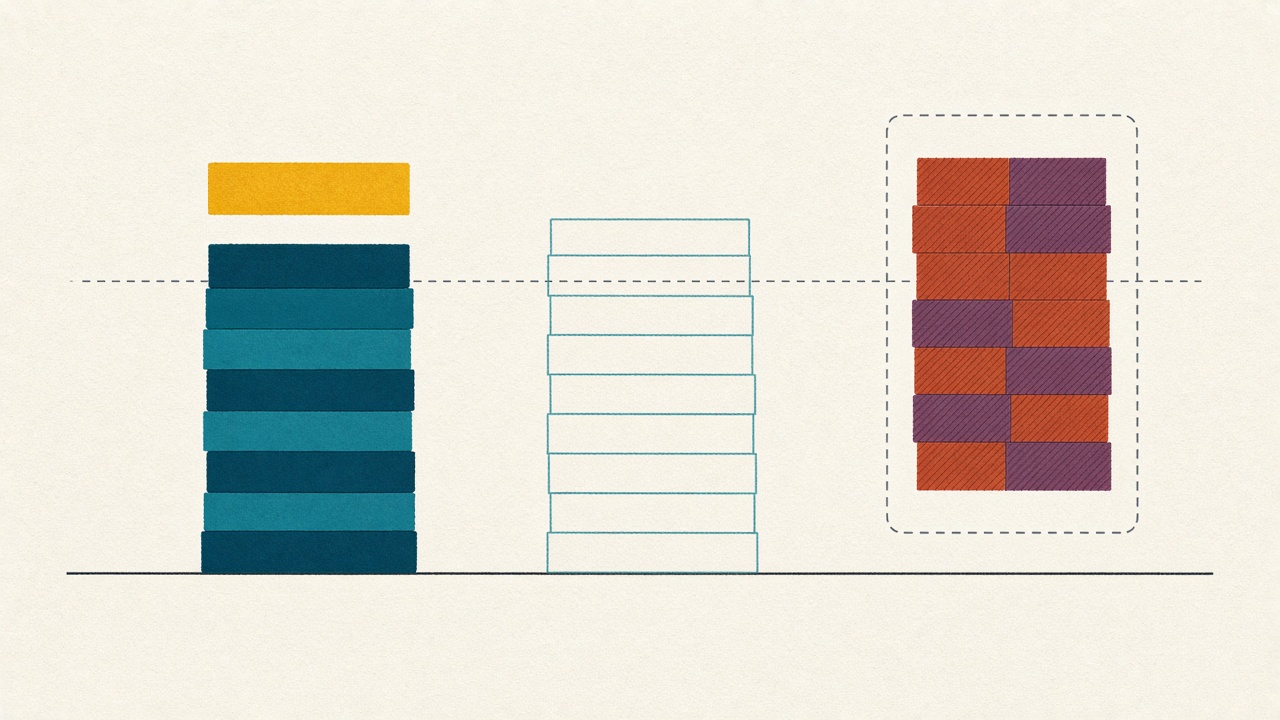
Five editors, one question: before agents take over the work, who checks the job, the payback, the memory boundaries and the human cost?
AI did it. Who pays?
Five editors, one question: when a company credits a cut to AI, who pays, and does the claim hold up?
AI adoption that paid off
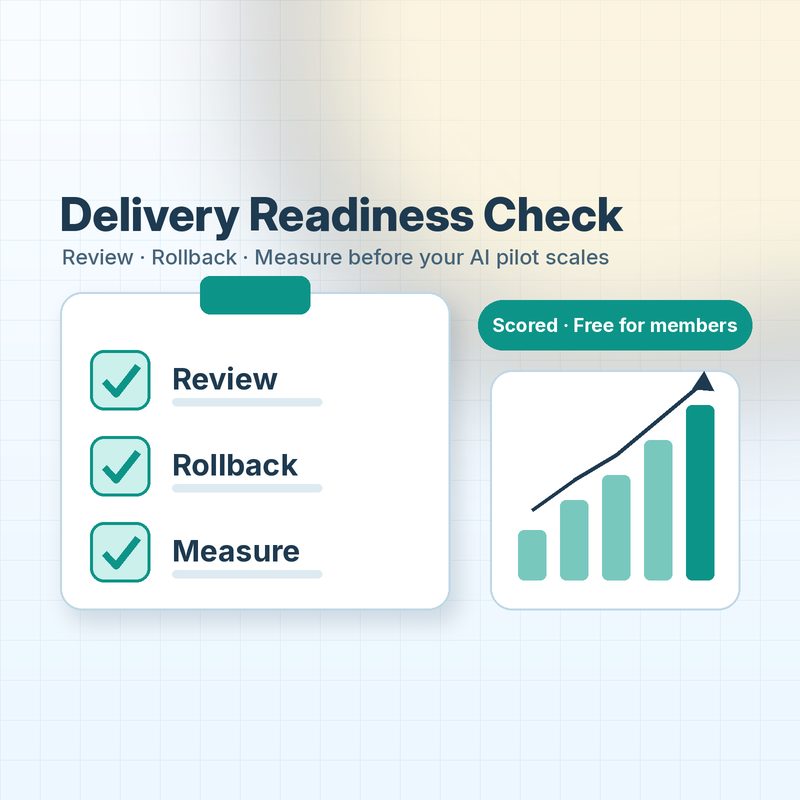
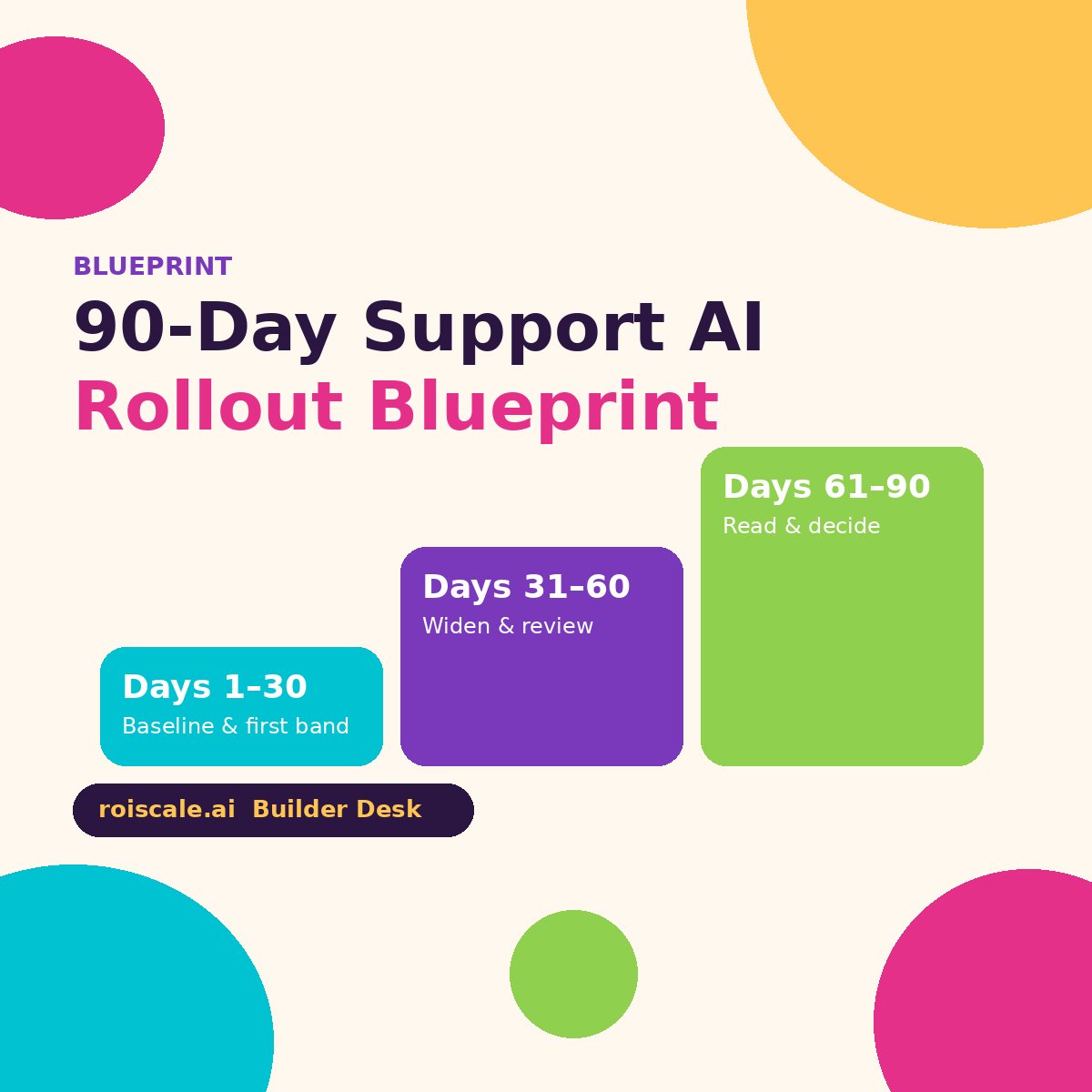
Five editors, one question: where did AI actually pay off, and how do you prove it before you scale?
Fine-tune a model for $100
Four editors, one question: for one narrow task, when does a small fine-tuned model beat a frontier API on cost per finished task?


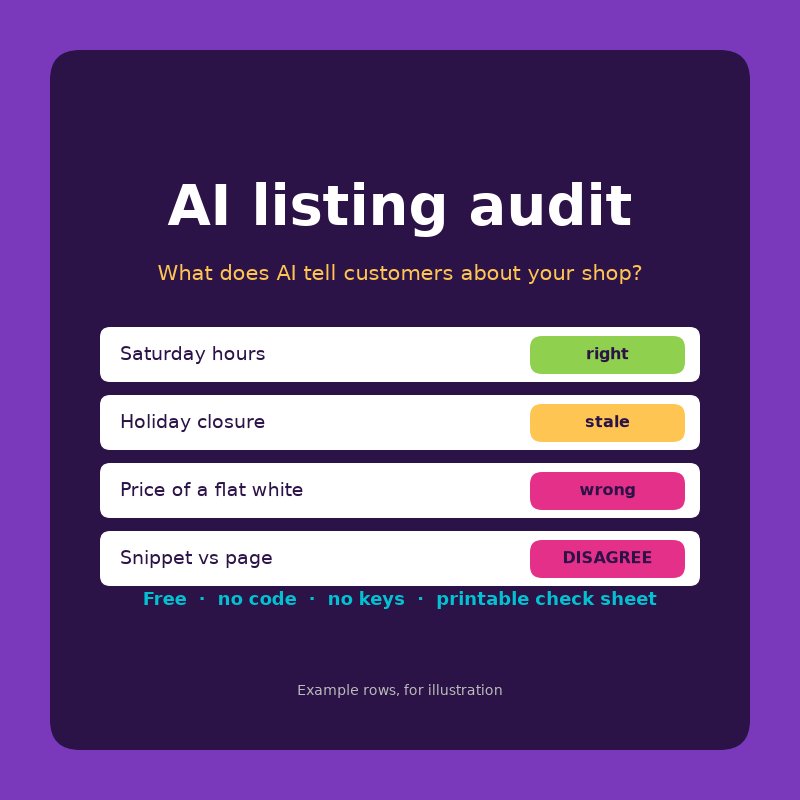
Check what AI assistants tell customers about your business: hours, holiday closures, prices and services, plus the page each answer came from. Printable, no code, free.

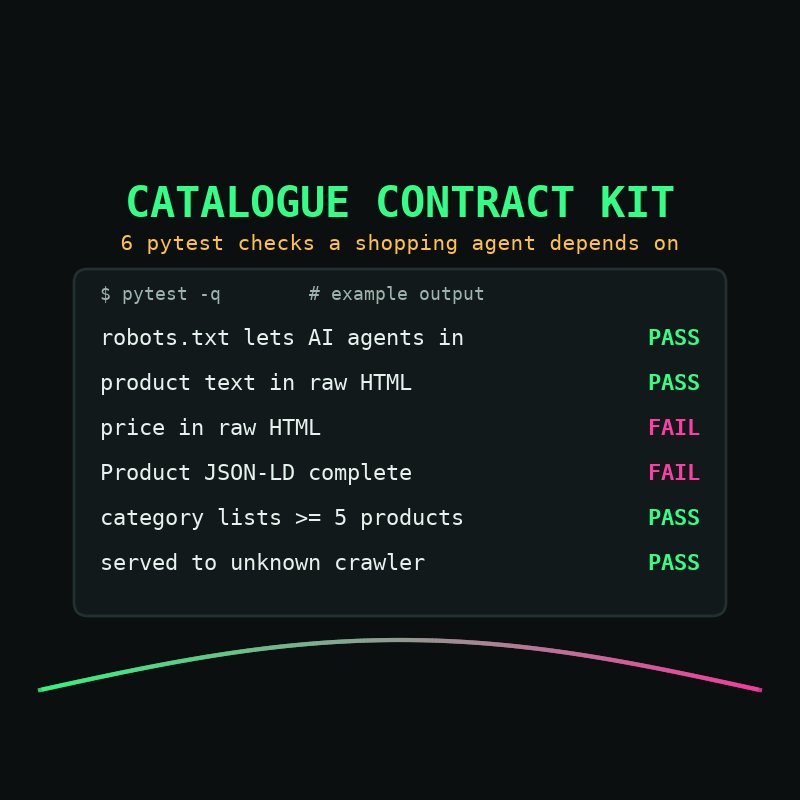
Six pytest checks for what a shopping agent actually reads in your store: robots.txt, no-JS text and price, Product JSON-LD, category links and crawler access. Runs offline on fixture stores first.


For indie app founders: before you spend a launch month's cash, park the prepaid yearly share and plan next month on MRR.

For freelancers and the clients who hire them: on one marketplace, AI-linked work pays more for judgment and less per job for execution, and this is who keeps the gain.

For finance leads: before you book an AI pricing gain, check whether the model beat the manual targeting it replaced.

For owners and front-counter staff: 30% of U.S. AI users in SOCi's 2026 survey said wrong AI info about a local business caused a real problem. Here's who absorbs it.

For dental practice owners and managers: in one Sep 2026 study of 600 small businesses, 20% to 27% of AI answers stated a fact the business never published.

For hotel CFOs and owners: on Skift's $200 Hilton example, an AI-agent fee above 15% of the rate nets less than an OTA booking.

For architects of booking systems: United's Nov 11 ban on AI booking agents, and the delegated-access design I'd build to let approved agents back in.

For bank customers: Wells Fargo's Nov 24 update says AI-agent requests may count as yours. What Reg E still covers, and what proof to keep if you revoke access.

A 4-minute read for workers weighing a buyout and the HR leads offering one: what the weeks of pay cover, what they leave to you, and five checks before you sign.

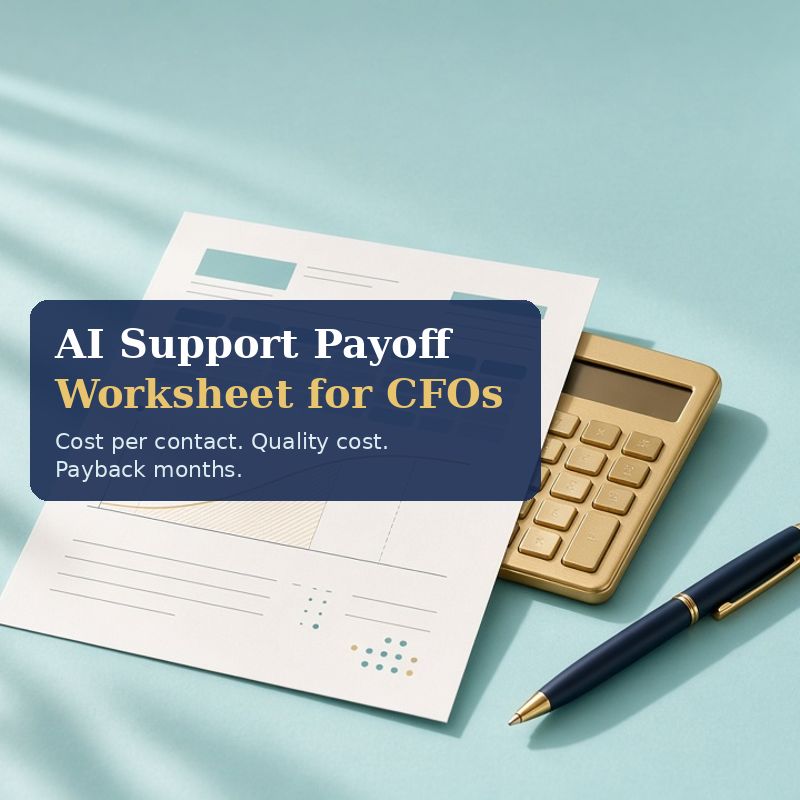
A 3-minute read for CFOs: price the human queue before approving agent replacement, using Av’s illustrative payback model.

A 4-minute read for CFOs and boards: our payback math on Barclays' cut, why HubSpot's has no disclosed return, and five questions to test AI layoff savings.

A 4-minute read for workers and HR leads: how to tell whether AI really did the work behind a layoff, and five checks to ask for before you sign.

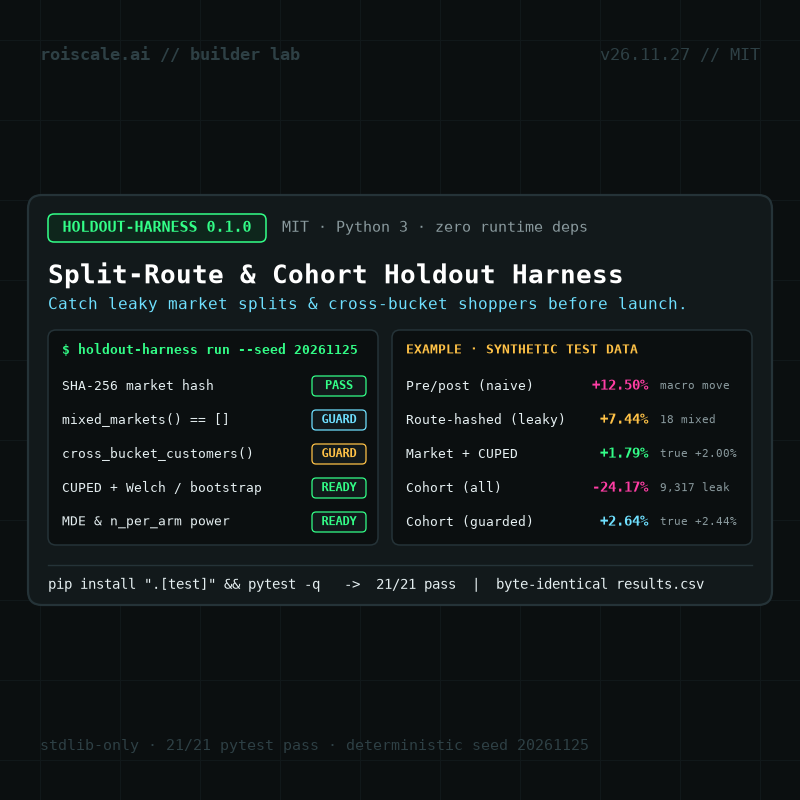
For transport engineers, I built a Python holdout harness that hashes markets and guards repeat shoppers so you can separate AI pricing lift from fuel moves.

Small online shops: assistants already answer price, stock and returns, and one vendor study found 15% of 913 same-day price answers on 24 products were off. Here's the fix.

For owners and the developers who build their sites: four AI accuracy studies count four different things. Here is which number to quote, and why the rates differ.

For developers whose store an agent now shops: I ran six pytest catalogue checks twice on 20 apparel stores. 9 gave me no product page, and 3 that did failed a check.

If you sell to companies: buyers' procurement systems now ask Amazon Business for products on their own. Here's how to stay on the shortlist they build.

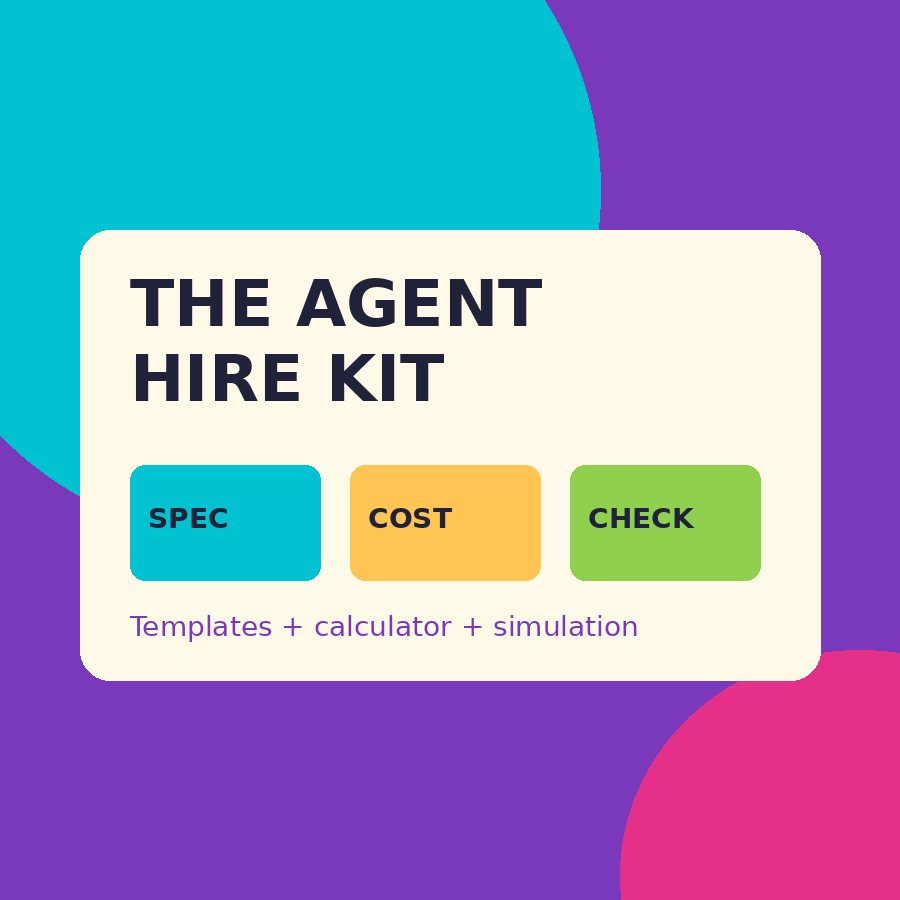
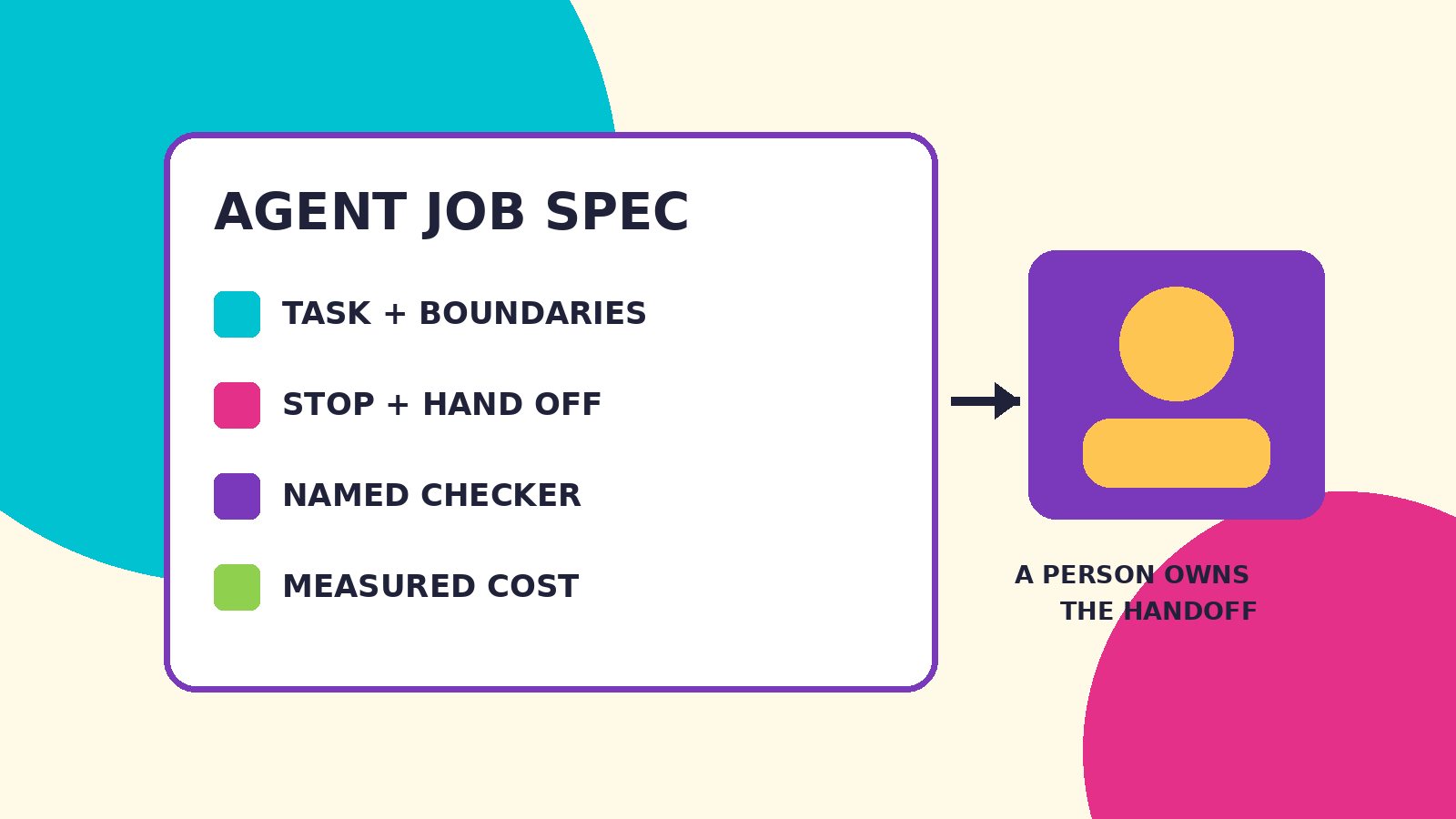
A 4-minute read for founders: give your first agent clear boundaries, a named checker and a stop rule before handing it real work.

A 3-minute read for engineering leaders: how to isolate agent memory and keep review capacity before you cut the team that catches failures.

A 3-minute read for developers: reproduce contention with 10 scripted workers and learn what the test cannot tell you about AI staffing.

A 4-minute read for founders: before you post that AI replaced a role, map who catches the agent's mistakes now, using Klarna's own walk-back as the warning.

A 4-minute read for builders who hear "AI now does the work": my CPU test on 3,080 public bank tickets, and how many still go to a person at each accuracy level.

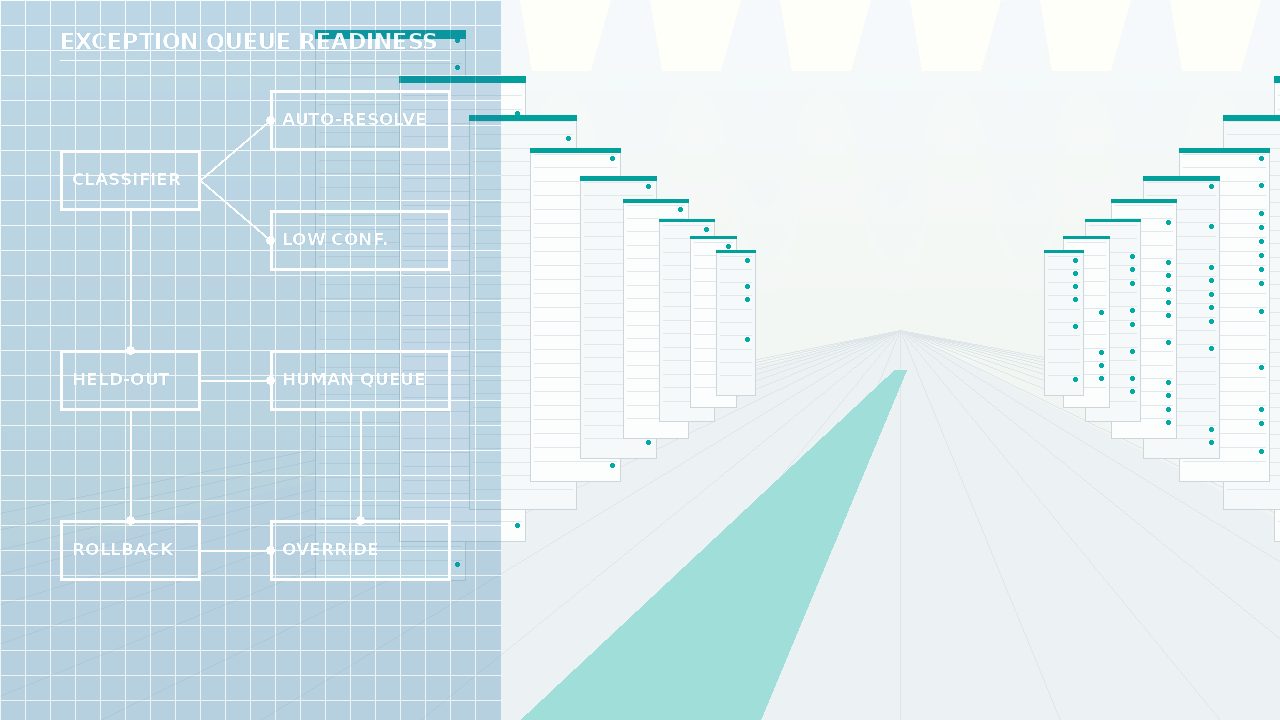
A 4-minute read for CTOs and platform leads: six checks on the human exception queue to run before any headcount cut is credited to AI.

A 4-minute read for founders: Coinbase says its 9B fraud model cost under $100 to train, so the real question is whether you own the confirmed answers it learned from.